Inflammatory biomarkers continue to play an increasingly important role in laboratory research, helping investigators better understand disease activity, treatment response, and the underlying biology of chronic inflammatory conditions. Among these biomarkers, calprotectin MRP8/14 has emerged as a valuable tool for studying inflammation across multiple disease areas. Its role in the inflammatory response and its applications across diverse research settings have made calprotectin MRP8/14 an important focus of inflammation research.
What Is Calprotectin MRP8/14?
Calprotectin is a calcium- and zinc-binding protein complex composed of S100A8, also known as calgranulin A or MRP8, and S100A9, also known as calgranulin B or MRP14. The complex is highly abundant in neutrophils and is also expressed and released by monocytes during inflammatory responses.
Calprotectin has been associated with a wide range of inflammatory and immune-mediated diseases. Reflecting the broad biological role of the S100A8/S100A9 complex, elevated concentrations have been investigated in gastrointestinal, rheumatologic, dermatologic, respiratory, and other inflammatory conditions.
Why Measure Calprotectin MRP8/14?
Because activated neutrophils and monocytes release S100A8/S100A9 during inflammation, calprotectin concentrations have been investigated as markers of innate immune activation and inflammatory activity across several research settings. The applications and supporting evidence vary by sample type and disease area.
Research applications include:
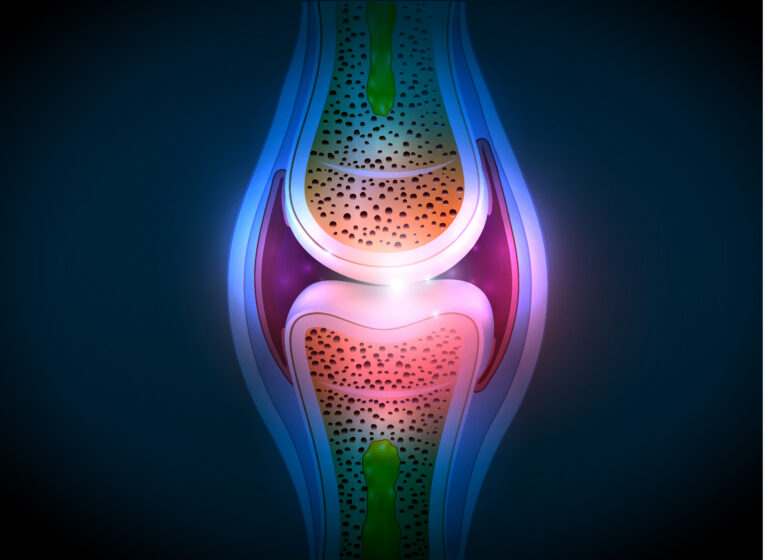
- Rheumatoid Arthritis (RA): Circulating and synovial-fluid calprotectin concentrations have been associated with measures of inflammation and disease activity in rheumatoid arthritis.
- Inflammatory Bowel Disease (IBD): Fecal calprotectin is widely studied as a noninvasive marker of intestinal inflammation. It may help distinguish IBD from noninflammatory gastrointestinal conditions and provide information about mucosal inflammatory activity.
- Systemic Lupus Erythematosus (SLE): Serum calprotectin has been investigated as a potential marker of inflammation and disease activity, although further research is needed to define its clinical utility.
Measuring Calprotectin MRP8/14 Over Time
Changes in calprotectin concentrations have been investigated in relation to disease activity, treatment response, and relapse risk. Serial measurement may therefore provide researchers with a way to characterize changes in inflammatory activity over time and investigate how those changes relate to disease progression or response to treatment.
Why Calprotectin MRP8/14 Is Valuable in Inflammation Research
- Reflects Inflammatory Activity: Calprotectin MRP8/14 concentrations have been associated with inflammatory activity across rheumatologic, gastrointestinal, and systemic inflammatory research settings.
- Applicable Across Multiple Sample Types: Depending on the assay and research application, calprotectin can be measured in matrices including serum or plasma, feces, synovial fluid, and urine.
- Enables Longitudinal Investigation: Repeated measurement allows researchers to investigate changes in calprotectin concentrations alongside disease activity and treatment response over time.
As research continues to expand our understanding of inflammation across diverse disease areas, calprotectin MRP8/14 remains a valuable biomarker for investigating innate immune activity. Continued research across different sample types and inflammatory conditions may further define its role in understanding disease activity, progression, and treatment response.
Add Calprotectin MRP8/14 to Your Inflammation Research Portfolio
All products are for research use only. Not for use in diagnostic procedures.
For laboratory professional use only.
No content on this site, regardless of date, should ever be used as a substitute for direct medical advice from your doctor or other qualified clinician.
References
- Wang S, Song R, Wang Z, Jing Z, Wang S, Ma J. S100A8/A9 in inflammation. Front Immunol. 2018;9:1298. doi: 10.3389/fimmu.2018.01298.
- Inciarte-Mundo J, et al. From bench to bedside: Calprotectin (S100A8/S100A9) as a biomarker in rheumatoid arthritis. Front Immunol. 2022;13:1001025. doi: 10.3389/fimmu.2022.1001025.
- Bae SC, et al. Calprotectin levels in rheumatoid arthritis and their correlation with disease activity: a meta-analysis. Postgrad Med. 2017 Jun;129(5):531-537. doi: 10.1080/00325481.2017.1319729.
- Jarlborg M, et al. Serum calprotectin: a promising biomarker in rheumatoid arthritis and axial spondyloarthritis. Arthritis Res Ther. 2020 May 6;22(1):105. doi: 10.1186/s13075-020-02190-3.
- Kapel N, et al. Fecal calprotectin for the diagnosis and management of inflammatory bowel diseases. Clin Transl Gastroenterol. 2023 Sep 1;14(9):e00617. doi: 10.14309/ctg.0000000000000617.
- D’Amico F, et al. International consensus on methodological issues in standardization of fecal calprotectin measurement in inflammatory bowel diseases. United European Gastroenterol J. 2021 May;9(4):451-460. doi: 10.1002/ueg2.12069.
- Brookes MJ, et al. Practical guidance on the use of faecal calprotectin. Frontline Gastroenterol. 2018 Apr;9(2):87-91. doi: 10.1136/flgastro-2016-100762.
- Homa-Mlak I, et al. Serum Calprotectin – a NET Product – as a Biomarker of Disease Activity in Patients with Systemic Lupus Erythematosus: A Single-Center Case-Control Study from Poland. Med Sci Monit. 2022 Jul 13;28:e936534. doi: 10.12659/MSM.936534.
- Kopeć-Mędrek M, Widuchowska M, Kucharz EJ. Calprotectin in rheumatic diseases: a review. Reumatologia. 2016;54(6):306-309. doi: 10.5114/reum.2016.64907.