In this blog series, we aim to apply the cardiac biomarker continuum framework to cardiovascular research design across three biological stages: vascular inflammation and oxidative stress, myocardial injury, and cardiac stress and dysfunction.

This article focuses on three complementary biomarkers to study vascular inflammation and oxidative stress: asymmetric dimethylarginine (ADMA), oxidized LDL (oxLDL), and myeloperoxidase (MPO).

In this article, we discuss how investigating high-sensitivity troponins can enhance our understanding of myocardial injury, asymptomatic progression, and its implications for cardiovascular health.

In this article, we explore the importance of utilizing NT-proBNP within the cardiac biomarker continuum to investigate cardiac stress, remodeling, and the progression toward heart failure.
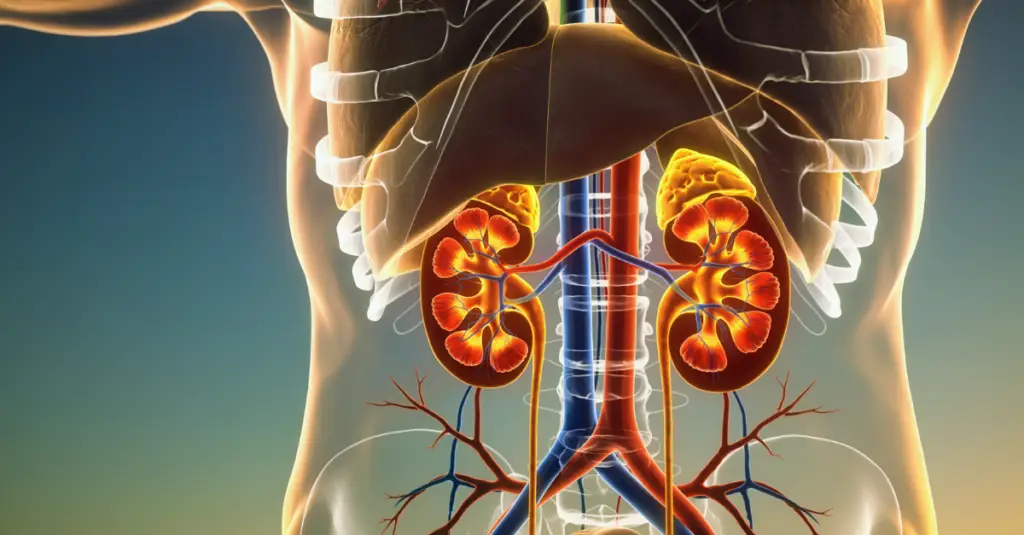
Discover how measuring DKK3 in urine can help investigate chronic kidney disease progression.

Read our post to discover how testing for myeloperoxidase (MPO) can provide critical data to support and advance cardiovascular research.
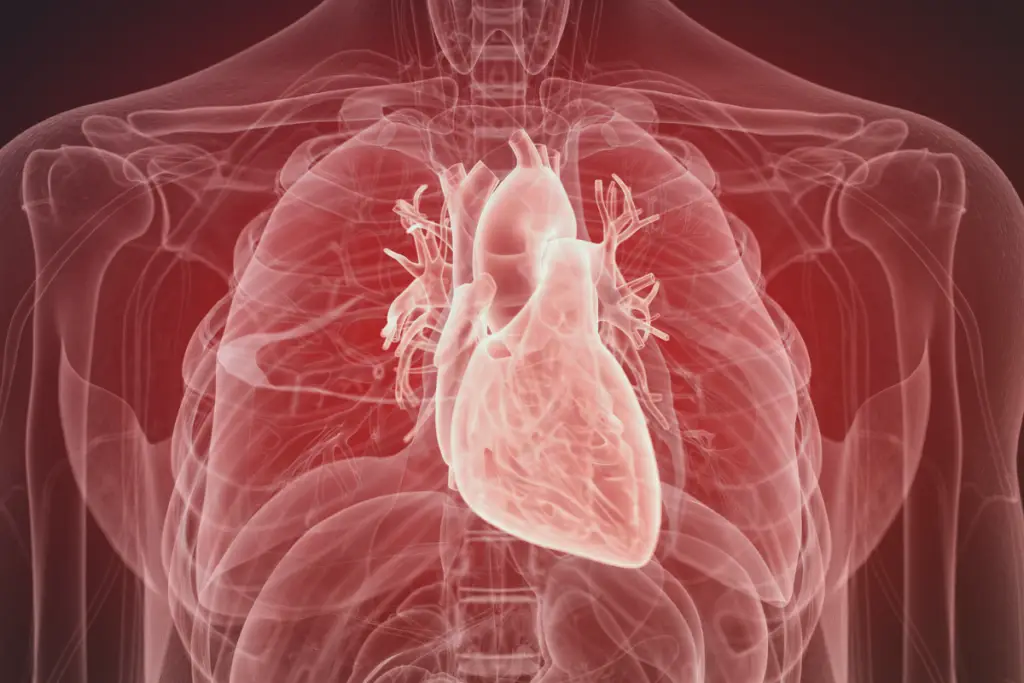
Explore how testing for C-reactive protein in research applications can provide critical insights into cardiovascular health.
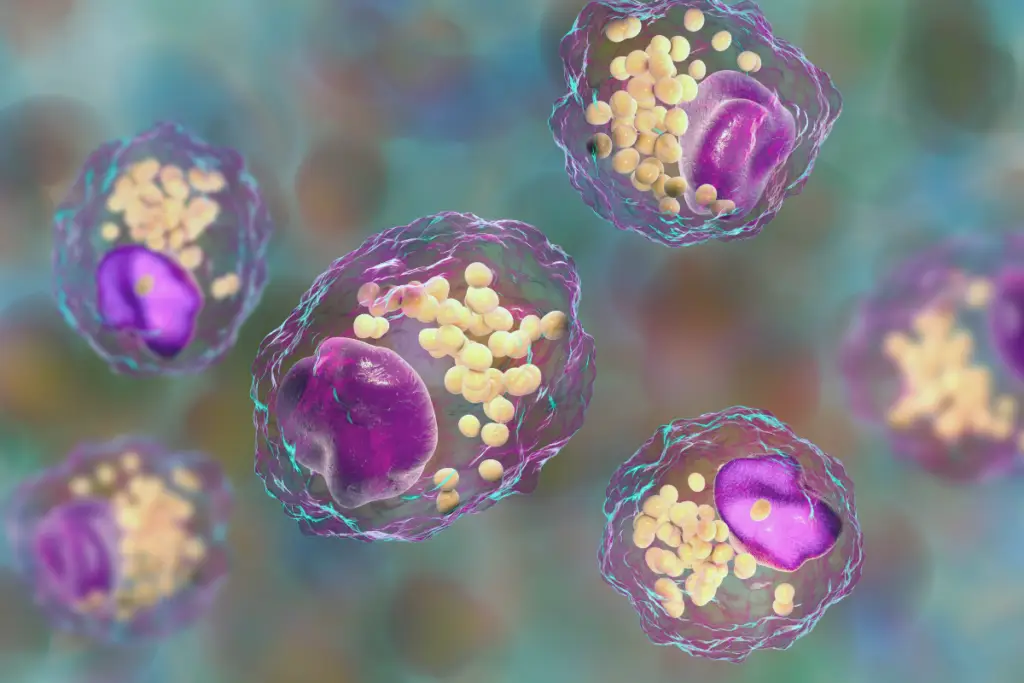
Discover how measuring oxidized LDL can help contribute to advancing cardiovascular research.